How GCash won on timing, distribution, and owning the exit
Ernest Cu’s playbook for GCash: wait for the network to be ready, borrow the platform, own the distribution, and plan the exit from the day you take private equity money.
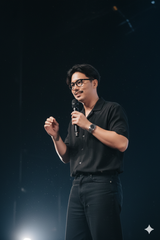
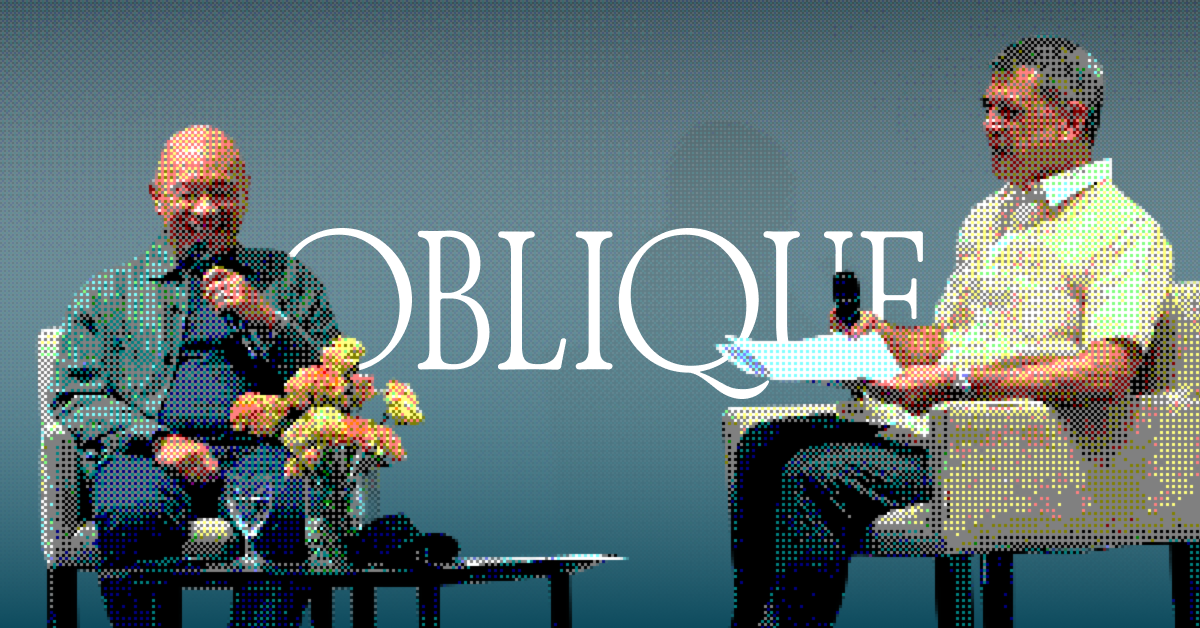
GCash’s win wasn’t based on tech. It won on timing, distribution and owning the exit.
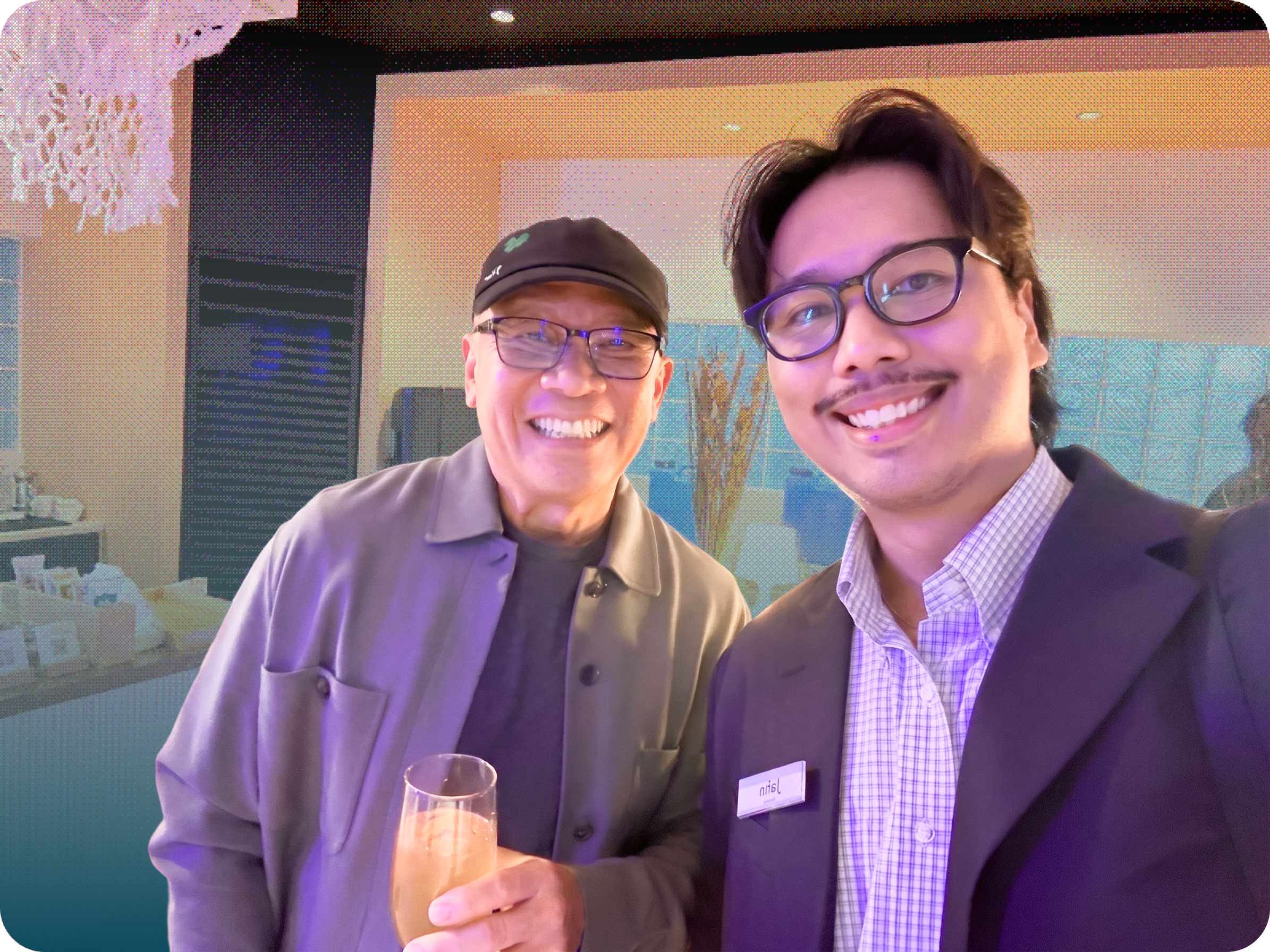
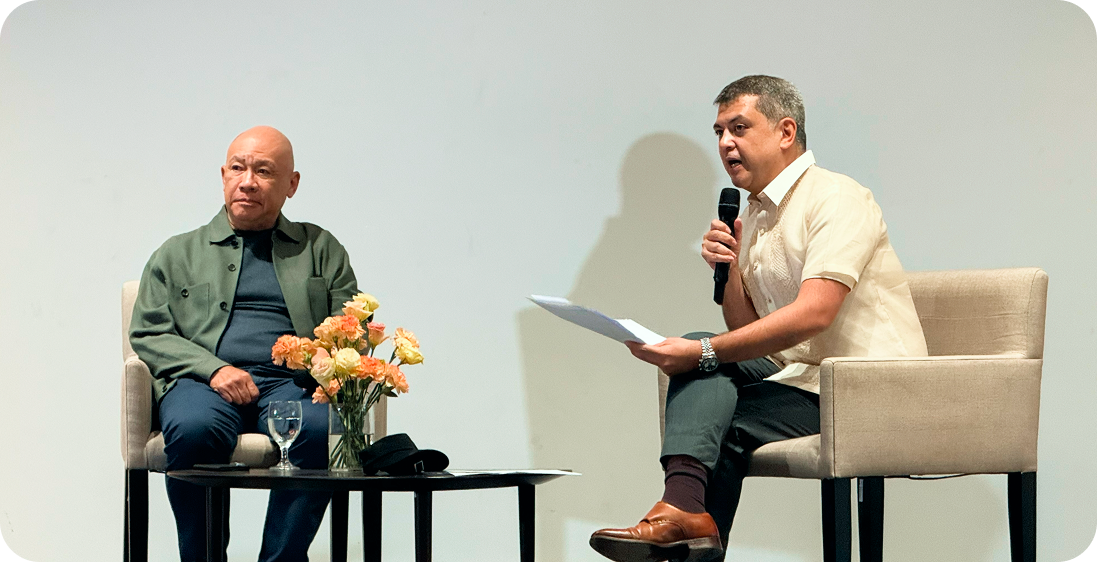
Ernest Cu, Mynt’s chairman, made that case in a fireside chat with Paulo Campos of Kaya Founders at LEAP Studios on 4 November, two weeks after Mynt’s ₱60.9-billion listing. Most of what he described was restraint. He held off scaling, rented the platform, and turned down the listing his private equity investors wanted.
I run marketing at PayMongo, which builds financial infrastructure for Filipino merchants, so I listened as someone working in the same market. Some of it lands differently from here.
Waiting for the network
When Ernest got to Globe, GCash already existed as an SMS service for sending load and pesos. Financial inclusion was 22 to 23%, and banks had no appetite for customers moving tiny amounts. He believed the problem was real and still held off scaling. “Can you imagine today we’re doing over 60 million transactions a day and you have to type each and every number? That’s never going to work.”
He set two numbers and waited for them: 70 to 75% smartphone penetration and 90 to 95% 4G coverage. I read that as a cost decision. Banks ignored that customer, and my read is that the tickets were too small to serve profitably. A phone with an app on a fast network is what made a small transaction cheap enough to bother with. Scale before that, and every new user deepens the loss.
Even when the market was ready, the money wasn’t. Globe was pouring around a billion dollars a year into its network, which left “no money for GCash whatsoever.” So he went to Ant for the platform and the capital. Ant put in US$50 million at a US$100 million valuation, by Ernest’s account.
Timing got GCash into the market. Ernest was blunt about unit economics. In Q3 2020, as volume went “from a few billion to tens of billions,” GCash was “losing money on every peso” because cash-in cost more than the fees coming in. Every new transaction made the hole deeper. Ernest told the team to fix it or stop, because growth on bad math only gets you to the loss faster. They renegotiated with partners and fixed it. Most startups that die at scale don’t run out of customers. They run out of money serving them.
Borrowing what you can’t build
“Globe as a company has really never developed anything new for technology.” Ernest said it without apology. Globe’s strength was taking 4G, smartphones and partners like Netflix and Facebook and getting them to Filipinos well enough to become number one in mobile. He ran GCash the same way. His pitch to Ant: “Give me the platform, we’ll take care of the rest.”
Ant brought Alipay. Globe brought what Ant couldn’t get in Manila: a national salesforce, sari-sari stores, corporate accounts and years of customer data. Ernest put GCash targets into telco salespeople’s bonuses. Sari-sari stores became cash-in points. Corporate clients became payroll accounts. The hardest cost in building a wallet, getting cash in and getting merchants to accept it, landed on a sales team that already existed.
He ran the inside of the company the same way. From 2013 the food court at Globe’s BGC office only took GCash, so every lunch tested how people actually paid. Ernest joked that GCash used to be where Globe parked people it was trying out, a safe place where they “could do no harm.” Around 2015 he started moving a different calibre of people in, and, he said to laughs from the room, their first question was “Am I about to get fired?” About 70% of GCash’s management today came from Globe.
Planning the exit from day one
“The minute we took in private equity money, we knew we had to list.” Ernest has run companies backed by private equity before, and he talks about the exit as something the founder owes: “It’s also your responsibility to give them the exit.” Nobody was going to acquire GCash at its size, so a listing was the only way to pay that debt. Seen that way, the choices that looked strange from outside make sense.
Start with the float. The standard requirement is 20%, and GCash didn’t have 20% to sell. The strategic shareholders were keeping their shares, and the private equity funds held about 12%. The float the market got was mostly the funds’ stake. Getting PSE and SEC to accept that took almost a year and ended in an SEC rule allowing a 12% float for companies above ₱200 billion in market value. Mynt floated about 14%.
Then the venue. The funds wanted a US listing for valuation and liquidity. Ernest didn’t want that compliance load on his management team. Singapore was a REIT market, and Hong Kong had structural barriers for Filipino companies. GCash is also used monthly by more than half of Filipino adults, under a BSP licence. “If we didn’t list here we’d have a problem as well, regulatory wise.” I’d have made the same call. A company that close to the payment system lists where its regulator can see it.
Then the price. Ernest sized the deal at about US$7 billion. At a full 20% float that would have meant a US$1.4-billion offering, “very, very large for the Philippines.” Mynt priced at ₱6.60, about ₱441.5 billion or US$7 billion, against a ₱10 ceiling in its registration. I read the ₱10 as room to move and ₱6.60 as what the local market could absorb.
He also widened the pool of buyers. Early on, GCash built a relationship with AB Capital, which powers GStocks, and tested GStocks with smaller share and bond offerings. When the listing came, more than 140,000 GCash users bought ₱1.1 billion of shares inside the app. It is a small piece of a ₱60.9-billion deal, and a wallet turning its users into shareholders. Ernest framed it as loyalty: “Wouldn’t it be great for customer loyalty if your customers were also your shareholders?”
Profit paid for all of this. Mynt reported ₱17.25 billion in adjusted net income for 2025 and, Ernest said, went into the IPO with more than US$600 million on its balance sheet. It raised only about US$167 million in new money. GCash didn’t need the deepest market in the world, so it could pick the one its regulator preferred.
The plan still had a crack. Ant decided at the last minute to sell 3%. “With this valuation, we’d like to take out a little bit of money off the table.” The reshuffle left some private equity stock that comes off lockup in about five months.
Where I see it from PayMongo
Ernest said GCash’s credit-score head start is fading. “In the beginning, we were the only guys with a credit score… that advantage is going away.” His answer is merchants: “Once we get the merchant transactions, we can lend to the merchants.”
I agree that merchant transactions are the next lending moat. I think winning them takes a different playbook from the one that won consumers. A consumer picks one wallet and lives in it. A merchant has to accept every wallet, card and bank their customers bring, and QR Ph exists so they can. A lender that sees one wallet’s share of a store’s sales sees part of the business. Whoever sits across all of a merchant’s payments sees the whole of it. I expect the merchant side to reward open, interoperable infrastructure the way the consumer side rewarded one dominant app.
For founders and investors, GCash gives Manila a real benchmark. A single-country champion, built on a telco’s distribution and a global platform’s technology, profitable well before listing, took nearly a decade from Ant’s investment to IPO and listed at about US$7 billion. Regulators rewrote the float rules to make room for it. I’d underwrite a Philippines-only fintech against those numbers.
Ernest’s advice to the founders in the room was short. Start with a problem, not the technology. Win one country first. His directors told him the Philippines was big enough: “You want to be a 100 billion dollar company? No, we don’t need to be. Seven was okay.” Find profit before you need it: “Just keep growing, you’re gonna run out of capital.” After hearing how GCash actually got here, I’d add one line of my own. Know which costs someone else is already paying, and let them.